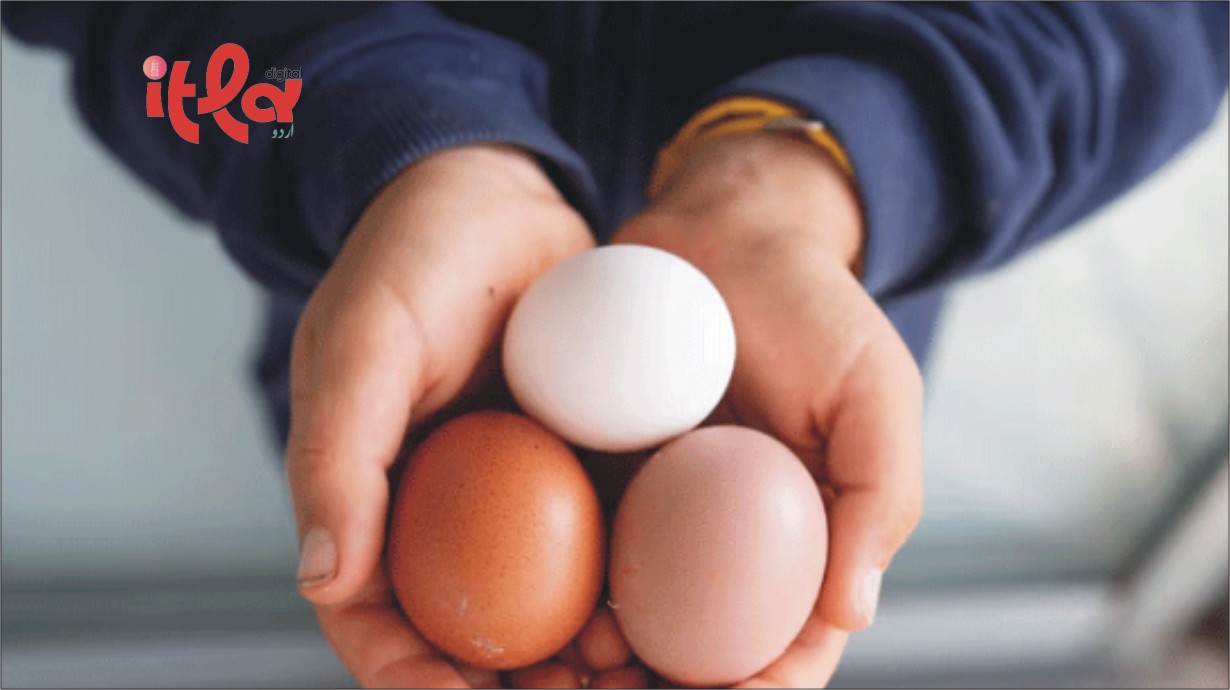
(Digital Itla) The UK’s prominent supermarket chain, Sainsbury’s, has made a major decision to cease selling brown eggs, transitioning exclusively to white eggs in a bid to slash its carbon footprint. This move has triggered an intense public debate regarding whether there is any actual difference in nutritional value or quality between white and brown eggs. According to research cited by Sainsbury's, white eggs carry an estimated 12.7% lower carbon footprint compared to brown ones. Experts explain that white-feathered chickens require relatively less feed to produce the exact same number of eggs, thereby consuming fewer resources during rearing and reducing environmental strain. Statistically, the UK consumes roughly 14.5 billion eggs annually, generating an estimated 4.35 million tons of carbon dioxide. Analysts note that if the entire egg industry transitions to achieve this 12.7% reduction, it could eliminate over 550,000 tons of CO 2 emissions annually—the environmental equivalent of removing nearly 300,000 cars from the roads. When it comes to nutrition and quality, however, experts confirm there is no difference whatsoever. The British Lion Eggs organization clarifies that shell color depends entirely on the breed of the hen; white-feathered hens generally lay white eggs, while brown-feathered hens lay brown ones. Experts have also debunked the misconception that a darker yolk or a brown shell means a healthier egg. Well-known health influencer Sanne van Kempen notes that yolk color is purely a reflection of the hen's diet. If hens are fed meals rich in carotenoids—such as marigold, paprika, maize, or carrots—the yolk shifts to a deeper, vibrant orange. A medical study published in 2024 verified that dietary ingredients like paprika visibly alter yolk pigmentation without directly altering the egg's core nutritional value. Experts conclude that to judge the true quality of an egg, consumers should check the stamped code on the shell (with "0" representing Organic, "1" Free-Range, "2" Barn, and "3" Caged), rather than relying on shell or yolk color.
Categories
Latest Posts