Sri Lankan Doctors Remove 3.1-Kg Bladder Stone in Rare Medical Case
visibility
112
Views
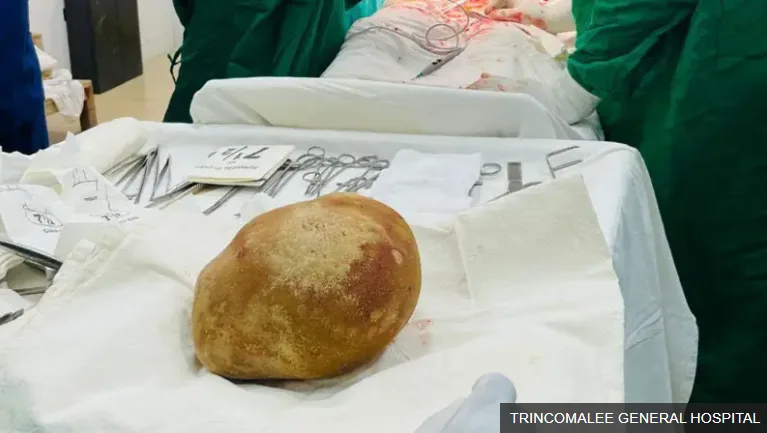
TRINCOMALEE, Sri Lanka: Doctors in Sri Lanka have removed a 3.1-kilogram (6.8-pound) bladder stone from a 55-year-old man, which they believe could be the largest documented bladder stone of its kind.
The surgery was performed last week at a hospital in the eastern city of Trincomalee.
The patient had been admitted to the hospital after suffering a stroke. During his treatment, doctors noticed that he was having difficulty urinating and discovered a large stone in his bladder.
Surgeons successfully removed the stone. It weighed roughly as much as a baby born after a full-term pregnancy and was approximately the size of an ostrich egg.
Stone May Have Been There for 5 to 10 Years
Dr. Prahalahan Balakrishnan, who led the surgery, told BBC Sinhala that, based on available records, the stone appeared to be the largest documented bladder stone removed through surgery.
He said the patient was in “very good” health following the operation, although he remains in hospital for treatment of other medical complications.
Doctors believe the stone may have remained in the patient's bladder for five to 10 years.
How Do Bladder Stones Form?
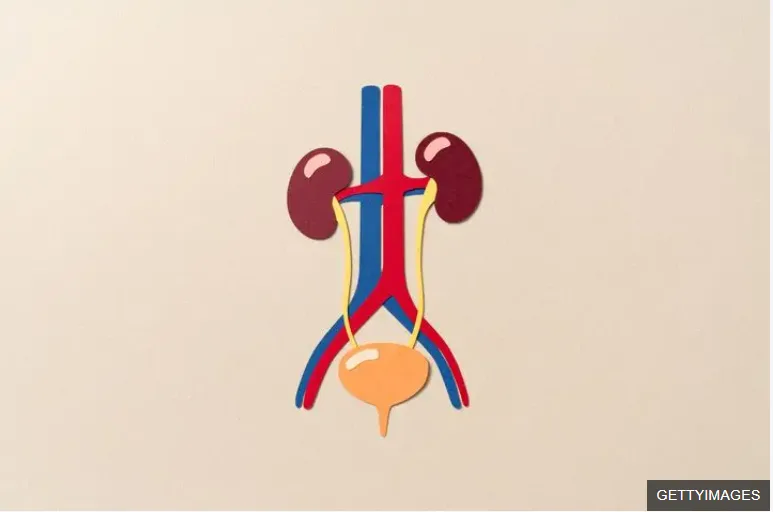
Bladder stones develop when minerals in urine accumulate and harden into solid masses.
They commonly form when the bladder cannot empty completely. This can cause urine to become concentrated, allowing minerals to collect and form stones.
Very small stones, sometimes as tiny as grains of sand, may pass naturally. Larger stones can block the flow of urine and may require medical treatment.
Bladder stones measuring more than 4 centimetres are generally considered giant stones.
Previous Record
According to Guinness World Records, the previous record for the largest bladder stone removed from a patient was recorded in Brazil in 2003.
That stone weighed 1.9 kilograms (4.2 pounds) and measured 17.9 centimetres (7 inches) in length.
The stone removed in Sri Lanka last week was approximately 17 centimetres long but weighed 3.1 kilograms, making it considerably heavier than the previous recorded stone.