Punjab’s Mandatory Body Cameras for Hospital Staff Spark Privacy Concerns
visibility
30
Views
Doctors, nurses and other healthcare workers question decision, warn of risks to patient confidentiality
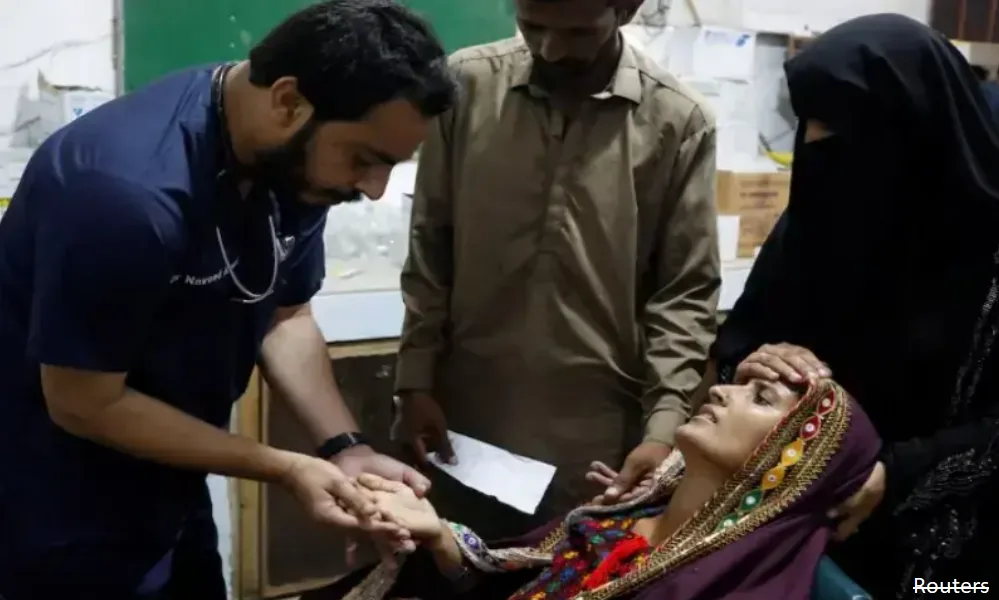
LAHORE, August 12, 2026: Punjab government’s decision to make body cameras mandatory for hospital staff has triggered strong concerns among healthcare workers and officials, who say the move was introduced without adequate consultation and could threaten patients’ privacy, dignity and basic rights.
Body cameras are wearable audio and video recording devices used to capture footage of incidents and preserve it as evidence.
Punjab Chief Minister Maryam Nawaz announced the decision after receiving public complaints about the behaviour, negligence and alleged misconduct of hospital staff. The requirement would apply not only to doctors but also to nurses, ward attendants, security guards and pharmacy staff.
Medical Bodies Question the Decision
Pakistan Medical Association (PMA) Punjab President Dr. Izhar Ahmed Chaudhry strongly criticised the decision, saying the government had not consulted healthcare professionals or relevant forums before announcing it.
He argued that body cameras would not necessarily improve the healthcare system and could instead create additional problems while affecting the basic rights of healthcare workers and patients.
He urged the government to focus on addressing the underlying problems facing the healthcare sector and improving working conditions and medical services.
Young Doctors Say They Were Not Consulted
Young Doctors Association (YDA) Punjab President Dr. Shoaib Niazi also expressed reservations about the policy.
He said no consultation had taken place with the association and described the decision as one imposed from the top.
Niazi also raised concerns about patient confidentiality, particularly in sensitive areas such as gynaecology and labour wards, where recordings could contain highly private information.
He questioned how the government would finance the purchase, maintenance and operation of body cameras, particularly when some hospital employees have reportedly faced delays in receiving salaries.
Nurses and Allied Staff Raise Privacy Concerns
Punjab Young Nurses Association member Muqaddas Tasneem said nurses were among the key stakeholders who should have been consulted before the decision was taken.
She said the government had made the decision independently and hospital staff would now be expected to follow the instructions.
Junaid Tariq, president of an allied healthcare workers' organisation at Lahore General Hospital, also said neither he nor other representatives had been consulted.
He warned that recordings could compromise the confidentiality of patients and their medical information, adding that the duties of most healthcare workers were fundamentally different from those of security personnel.
Former Health Minister Questions Practicality
Former Punjab caretaker health minister and former vice chancellor of the University of Health Sciences Lahore Dr. Javed Akram also questioned the practical implementation of the policy.
He raised concerns about how such a large number of employees would be monitored, how footage would be reviewed and who would be responsible for analysing the recordings.
He also questioned how privacy would be maintained when employees needed to enter restrooms or other private areas while wearing the devices.
Body Cameras Have Limited Use in Hospitals Worldwide
Body cameras have been tested in some healthcare systems around the world, but their use is generally limited to security personnel and situations involving a higher risk of violence or aggression, rather than routine medical care.
In Australia's New South Wales, selected public hospitals have conducted trials involving security staff, with cameras used to record incidents of aggression and violence and help protect workers.
Some NHS trusts in England have also tested body cameras for security personnel and, in certain circumstances, senior nursing staff as a measure against abuse and violence.
However, healthcare experts say a blanket requirement covering large numbers of hospital employees would be unusual, particularly because hospitals handle highly sensitive personal and medical information.
Patient Privacy at the Centre of Debate
The controversy highlights the challenge facing the Punjab government: while body cameras could potentially provide evidence in cases of misconduct or violence, their widespread use could also create significant privacy, data protection and consent concerns.
Healthcare representatives are calling for consultation with doctors, nurses, hospital administrators and other stakeholders before the policy is implemented across Punjab.