Peshawar: A Silent Night, a Staged Robbery, and the Chilling Tale of a Brother Killing His Brother
By DIGITAL ITLA Feature Desk
As evening settles over Peshawar, a mysterious silence descends upon its ancient gates and narrow lanes. This city, which has witnessed the rise and fall of many eras—and whose folklore is steeped in hospitality, tradition, and honor—occasionally gives birth to tragedies in its darker alleys that send shivers down the spine.
This incident occurred a few months ago near Peshawar’s historic Bajauri Gate. On the surface, it looked like an ordinary news item—another chapter in the city's rising street crime, where armed robbers allegedly shot a young businessman dead over resistance, injuring his brother before fleeing.
Yet as police turned the pages of the investigation file, a horrifying and chilling story emerged behind the robbery narrative—one that stunned not only the investigators but left the entire city in shock.
That Silent Night at Bajauri Gate
In the stillness of the night, when the roar of traffic on Peshawar’s busy thoroughfares had died down, a car sat parked near Bajauri Gate. Inside were two brothers. Moments later, the air echoed with gunfire.
When residents from nearby areas stepped out in fear and alarm, the scene was heartbreaking. The young man sitting in the driver’s seat was drenched in blood, struck in the face and abdomen, gasping for his final breaths. Sitting in the passenger seat next to him was his injured brother, groaning in pain and calling for help.
Upon receiving word, local police contingents and rescue personnel reached the spot. In his initial statement to police, the injured brother claimed that the two of them were heading somewhere on business when unidentified armed men intercepted their car. According to him, the assailants attempted a robbery at gunpoint and opened indiscriminate fire when his brother resisted, killing him on the spot while he himself escaped with minor injuries.
Police collected spent cartridges from the scene, impounded the car, and shifted the deceased’s body to the hospital for a post-mortem. Based on the injured brother’s complaint, a case of murder and robbery against unidentified men was registered. At first glance, it seemed straightforward: a murder during a botched robbery.
The Glittering Solar Business and the Quicksand of Debt
As the investigation progressed, police began examining the deceased’s background. It emerged that he was a well-known solar panel dealer in Peshawar. Amid recent power crises across the country, the solar energy business had seen extraordinary growth, and the young man had invested heavily, drawn in by its promise.
Yet in the world of business, not everything that glitters is gold. Market price fluctuations, miscalculations, and credit transactions soon plunged him into massive losses—not a minor setback, but losses running into crores of rupees.
During the police probe, a startling revelation came to light: the deceased had accumulated roughly Rs 90 million (9 crore) in debt.
Demands from creditors were mounting day by day. Desperate to pull himself out of the quicksand, he turned to a dangerous gamble. He began buying new vehicles on installments and selling them immediately below market value for quick cash to pay off older debts. It was like trying to put out a fire by pouring oil on it. Instead of shrinking, his debt kept growing.
Things reached a point where, out of fear of creditors, he stopped leaving his house altogether. He had become a picture of constant mental strain, fear, and helplessness.
The Investigation Takes a Turn
Meanwhile, police were firing arrows in the dark in search of the killers. CCTV footage from around Bajauri Gate was reviewed and geofencing was carried out, yet no solid evidence emerged of a third person or unidentified assailants.
The case was close to being buried in police files as an "unsolved murder," when investigators began noticing cracks in the physical evidence and the complainant’s account.
The angle of the gunfire, the bloodstains inside the vehicle, and above all the nature of the complainant’s own injury did not align with a street robbery. If robbers had fired from outside, why did the trajectory and interior evidence suggest shots fired at very close range—or from inside the car itself?
Police summoned the deceased’s other two brothers to the station. Both were deeply grieving their brother’s sudden death, but questioning made it clear they were completely unaware of what had truly transpired.
Investigators turned their full focus onto the complainant—the injured brother. When police brought him into questioning and probed the same incident from multiple angles, contradictions began surfacing in his statements. Sometimes he said there were two attackers, sometimes three; at times he claimed they were on foot, at others he mentioned a motorcycle.
The officers’ suspicion hardened into certainty that something sinister was being concealed. When police pressed him firmly using traditional interrogation methods, the complainant could no longer hold onto his web of lies and finally broke down.
The confession he made left every police officer in the room frozen.
The Disgraceful Offer That Challenged Honor
With tearful eyes and a trembling voice, the accused brother told police that his brother was crushed under Rs 90 million in debt and suffering severe mental torment. Amid that desperation, an influential and wealthy individual had made him a disgraceful, immoral offer—the kind unimaginable in a society bound by strict codes of honor.
The man proposed that the brother leave his young, only, unmarried sister with him for one year, and in return take Rs 10 million (1 crore)—with no obligation to repay the money, and the option to take his sister back after a year.
Crushed beneath mounting debts and cornered from every side, the elder brother’s judgment seemed clouded. Mentally, he had grown willing to consider the shameful deal. Yet his biggest obstacle was his other brothers. He knew they would never allow their only sister to be handed over to anyone outside marriage.
On the night of the incident, the deceased took this brother—now the accused—out with him in the car. On the way, he laid the groundwork and finally gathered the courage to bring up the disgraceful proposal, trying to persuade him that at that moment, surviving and clearing the debt mattered more than honor.
A Surge of Rage and Three Bullets
According to the accused’s account, the moment he heard his own brother speak of "mortgaging" their only sister, rage flared through him. His temper boiled over. Deep-rooted cultural notions of honor and protecting his sister took over his mind.
In a fit of fury, he began cursing and berating his brother. Inside the car, tension reached a breaking point. The argument escalated so sharply that the deceased pulled out his pistol and fired at his own brother.
The accused fought back to save himself, and a scuffle ensued. During the struggle, the pistol slipped from the deceased’s hand and fell onto the floor. The accused swiftly picked it up.
That moment was stripped of reason. Caught between the shock of a proposal to barter his sister’s honor and the provocation of being shot at, his nerves snapped. Aiming the pistol at his brother, he fired three straight shots in rapid succession.
One bullet struck the deceased directly in the face, and two pierced his abdomen. Within minutes, the floor of the car was stained red with blood, and the debt-ridden businessman fell silent forever.
Cover-Up and Aftermath
When the reality of his brother’s body sank in, panic overtook the accused. Fear of the law and family disgrace drove him to act quickly.
He stepped out of the car, threw the murder weapon into a nearby gutter, and returned to stage a scene—feigning injury and raising an alarm that unidentified robbers had shot them during a resistance to a mugging.
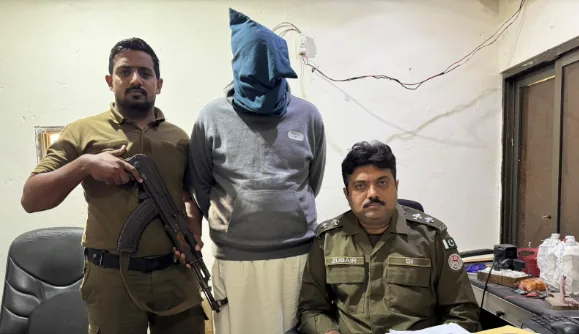
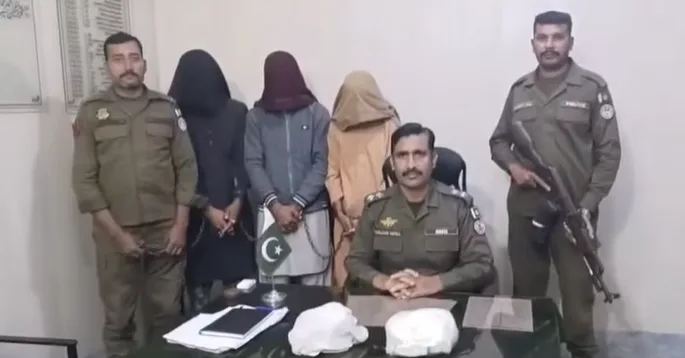
Yet stories of crime rarely stay hidden for long. Professional police investigation pulled the curtain down on the staged drama within days.
Prison Bars and Quiet Efforts at Reconciliation
When this chilling revelation broke beyond the walls of the police station, everyone who heard it was left stunned. In the eyes of the law, he was a killer who had taken his own brother’s life; socially, once the full story surfaced, many felt a painful sense of sympathy for a brother who had taken an extreme step over what he saw as defending his sister’s honor.
Today, the brother accused of the murder sits behind bars in Peshawar jail, facing trial for killing his sibling. Meanwhile, among family elders and close circles, grief over the tragedy is accompanied by behind-the-scenes efforts at reconciliation and settling the matter within the family—a wound that time may scab over, though its ache will linger with the family for life.

تازہ ترین پوسٹس