
For McDonald’s and Rivals, Cheap Deals No Longer Do the Trick
Aug. 11 (Reuters) — U.S. fast-food chains, including McDonald’s, discovered during the second quarter that discounts alone were no longer enough to keep price-conscious customers coming back.
Value meals and promotions have been one of the industry’s most reliable ways to attract customers over the past two years, as inflation pushed consumers toward cheaper dining options. But recent results show that the strongest performers are combining affordable deals with menu innovation, better quality and a smoother customer experience.
Taco Bell Wins With Value and Innovation
Yum Brands’ Taco Bell has been among the stronger performers in attracting budget-conscious customers without relying on widespread discounts across its entire menu.
Its $5, $7 and $9 meal boxes proved popular, while the chain continued introducing new menu items that encouraged customers to spend beyond the cheapest offers.
Taco Bell reported a 7% increase in same-store sales during the quarter, while McDonald’s global comparable sales rose 1.3%.
Rachel Royster, director of strategic planning and innovation at foodservice consultancy Connections, said value works best when offers are clear, simple and transparent, without making customers feel they are being pushed into buying something else.
McDonald’s Struggles Despite Cheap Offers
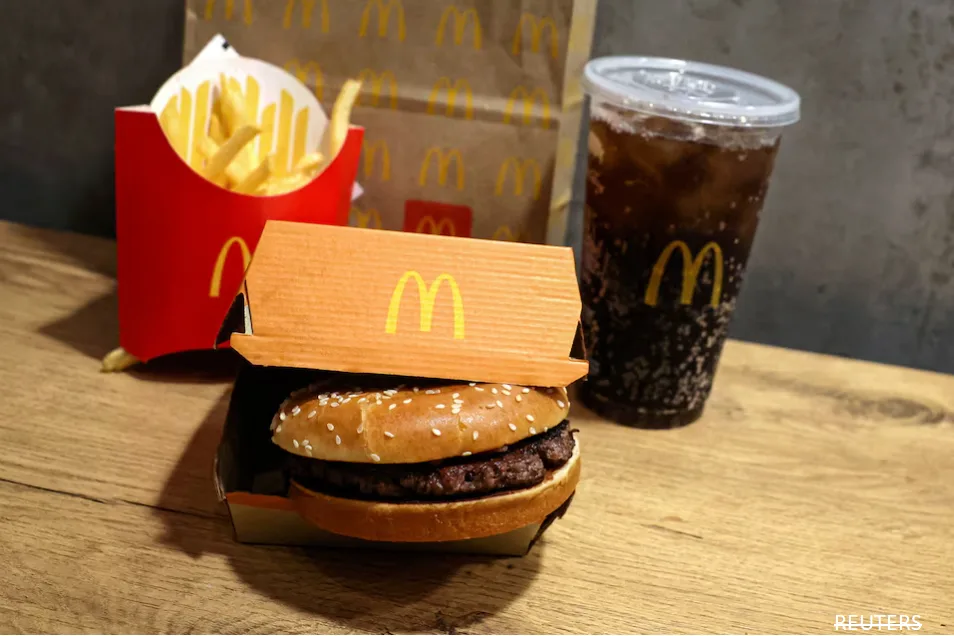
McDonald’s offered an under-$3 menu and a $4 breakfast meal, but the promotions failed to deliver the expected boost in customer traffic.
CEO Chris Kempczinski said loyal customers accounted for around two-thirds of the traffic shortfall and blamed execution rather than strategy for the weakness.
The results suggest that lower prices alone are not enough to persuade consumers who have become increasingly selective about where they spend their money.
Wendy’s and Wingstop Face Declining Sales
Other major fast-food chains also struggled despite aggressive promotions.
Wendy’s, whose Biggie Bag value meals start at $5, reported a 7% decline in U.S. same-restaurant sales and withdrew its annual forecast.
Wingstop posted a 7.5% decline in U.S. same-store sales, despite promotions including $1 chicken wings.
Wingstop CEO Michael Skipworth said sales were particularly weak in urban areas, where households generally face greater financial pressure. In higher-income markets, however, customer visits increased by as much as 9%.
Wingstop’s stock has lost more than three-quarters of its value over the past six months.
Consumers Are Becoming More Selective
D.A. Davidson analyst Matt Curtis said the large number of competing promotions may have made it harder for customers to compare offers, but consumers have also become more sophisticated in evaluating the actual benefits of different deals.
The latest results show that restaurants do not necessarily have to be the cheapest option to succeed.
Customers are increasingly looking beyond the headline price and considering quality, convenience, service and overall value.
Burger King Finds a Winning Formula
Restaurant Brands’ Burger King was among the clearest winners during the quarter.
Executives credited promotions such as its “2 for $5” and “3 for $7” offers, combined with improvements in operations and menu quality, for strong U.S. sales growth.
Restaurant consultant John Gordon said Burger King is using discounts selectively and creatively rather than relying on deep discounts every day.
Domino’s and Chipotle Focus on More Than Price
Domino’s Pizza also benefited from value-focused offers and loyalty programs, which helped increase customer traffic and support sales.
Chipotle delivered strong results while limiting price increases to around 1% to 2%.
Chipotle CEO Scott Boatwright said value is not simply about discounts or price points. Convenience, execution and menu innovation are also important parts of what customers consider valuable.
Cheap Deals Alone Are No Longer Enough
The latest results suggest that the U.S. fast-food industry is entering a new phase.
Consumers facing financial pressure still want affordable meals, but they are increasingly looking for real value rather than simply the lowest price.
For fast-food chains, the message is becoming clear: discounts may bring customers through the door, but quality, convenience and innovation are needed to keep them coming back.

Latest Posts